#MorphOS #development early days included custom #hardware. Here's my Pegasos II...
Harry Sintonen @harrysintonen@infosec.exchange
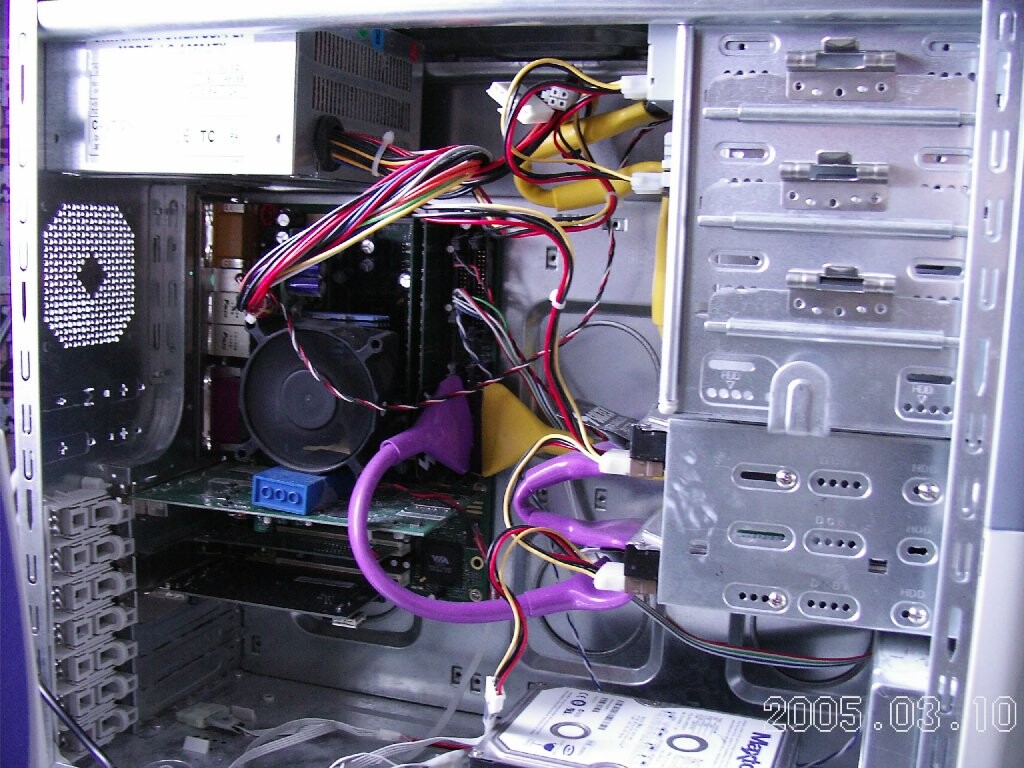
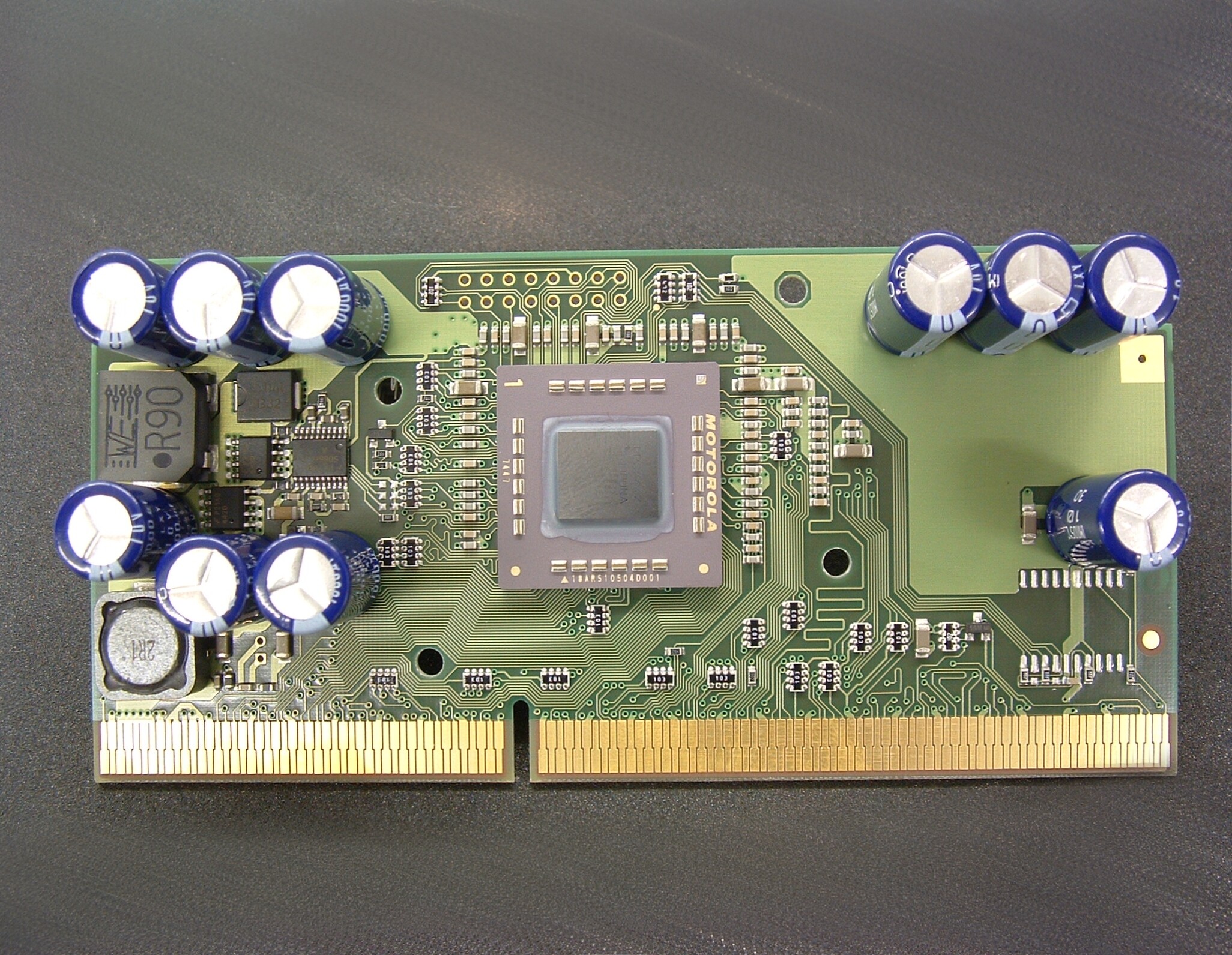
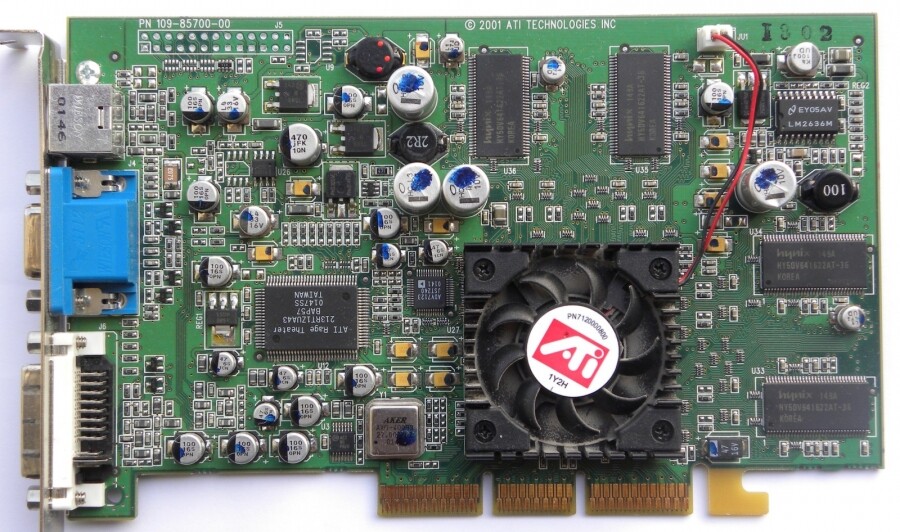
#MorphOS #development early days included custom #hardware. Here's my Pegasos II setup from 2003. It rocked #Motorola MPC 7447 CPU running at 1 GHz and ATI Radeon 8500LE GPU. The PCI connectors were populated with an RTL 8139C network card and a NEC USB 2.0 board. The network card was necessary since originally, we didn't have drivers for the onboard ethernet ports provided by the Marvell Discovery II MV64361 northbridge. As I recall the initial onboard USB support was also lacking and the NEC board was best supported for some time.
The interesting hack of the Pegasos II system was that while the Marvell Discovery II MV64361 did not natively support AGP bus, the Pegasos II board rocked one. With some smart glue logic hackery an AGP bus was built from the existing PCI bus support. Bandwidth wasn't as good as the best AGP could offer, but having the physical connector was the most important thing as PCI graphics cards were getting exceedingly rare at the time. Of course AGP was quickly going away too, but the selection was far better than PCI only.
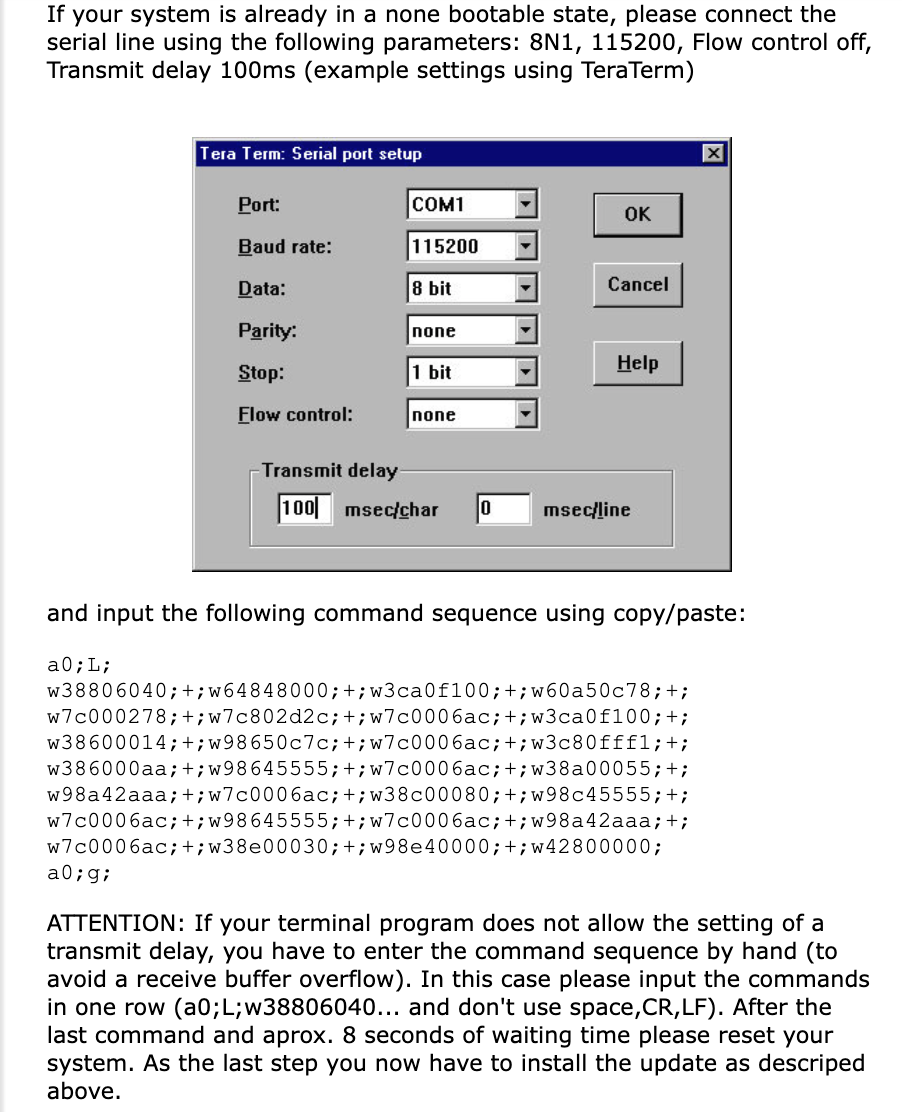
My Pegasos II board was one of the very first ones delivered the us developers, and as such I was the one of the first people to hit a rather serious firmware bug it had: The board would corrupt the firmware checksum on first "setenv" command and render itself unbootable. The system would still drop into low-level IKARUS serial terminal. Soon instructions for recovering the system from the IKARUS terminal were provided. Entering some magic commands over serial terminal would allow launching the openfirmware and then allow you to install firmware update that would fix the setenv bug.
The custom hardware development didn't last long, and we soon pivoted towards supporting #Apple #PowerPC hardware that was far more readily available. The first supported Apple model was Mac Mini G4.
Some details of the Pegasos boards: https://en.wikipedia.org/wiki/Genesi_Pegasos