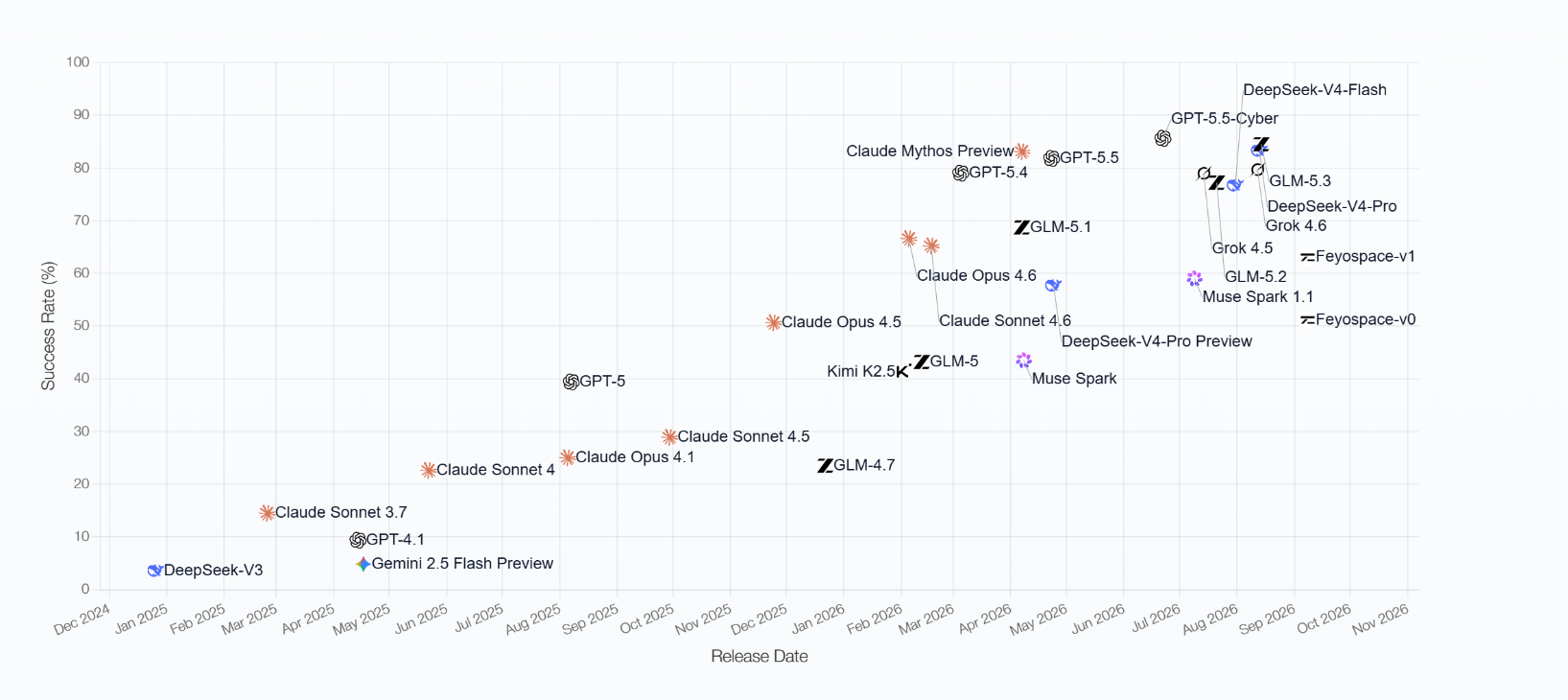
💭 I’m not sure organizations have fully realized this yet, but open‑weight AI m...
netbiosX @netbiosX@infosec.exchange
💭 I’m not sure organizations have fully realized this yet, but open‑weight AI models are rapidly catching up to OpenAI and Claude in terms of cyber capabilities, and they’re doing it without guardrails. Uncomfortable truth: 𝒕𝒉𝒆 𝒏𝒖𝒎𝒃𝒆𝒓 𝒐𝒇 𝒕𝒉𝒓𝒆𝒂𝒕 𝒂𝒄𝒕𝒐𝒓𝒔 𝒄𝒂𝒑𝒂𝒃𝒍𝒆 𝒐𝒇 𝒄𝒐𝒏𝒅𝒖𝒄𝒕𝒊𝒏𝒈 𝒎𝒆𝒂𝒏𝒊𝒏𝒈𝒇𝒖𝒍 𝒄𝒚𝒃𝒆𝒓 𝒂𝒕𝒕𝒂𝒄𝒌𝒔 𝒘𝒊𝒍𝒍 𝒍𝒊𝒌𝒆𝒍𝒚 𝒊𝒏𝒄𝒓𝒆𝒂𝒔𝒆 𝒅𝒖𝒆 𝒕𝒐 𝒍𝒐𝒘 𝒆𝒇𝒇𝒐𝒓𝒕 + 𝒄𝒐𝒔𝒕.
At the same time, the cybersecurity job market is barely breathing, and AI became the convenient excuse for layoffs and cost‑cutting.
🟣 So how exactly are organizations planning to handle what’s coming when their cyber-defence workforce is shrinking?
🟣 Who is going to build and maintain the automation, tune the agents, design the workflows, and safely integrate AI into the organization’s security stack?
Something doesn’t add up here. It feels like another case of “we’ll deal with the problem when it knocks on our door.” By then, it might be too late. 🤔